


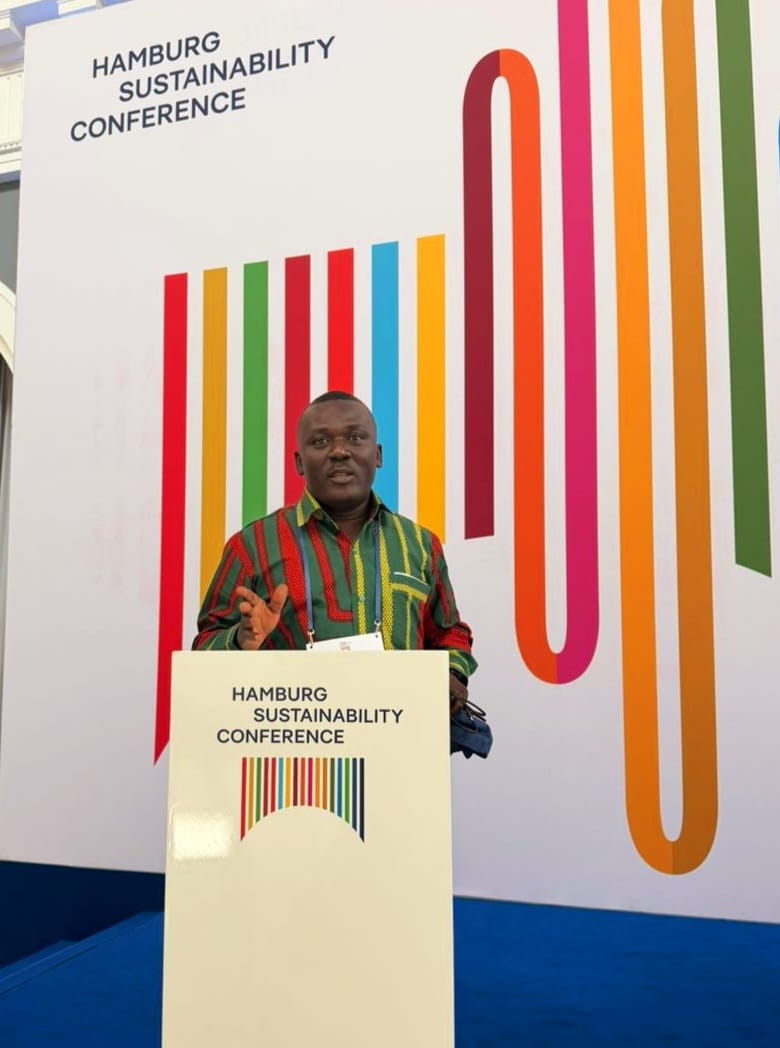
Why The Innovation Ecosystem Must Become the Next Infrastructure for Sustainable Development
By Yaw Adu-Gyamfi, Chairperson, Ghana Hubs Network (GHN)
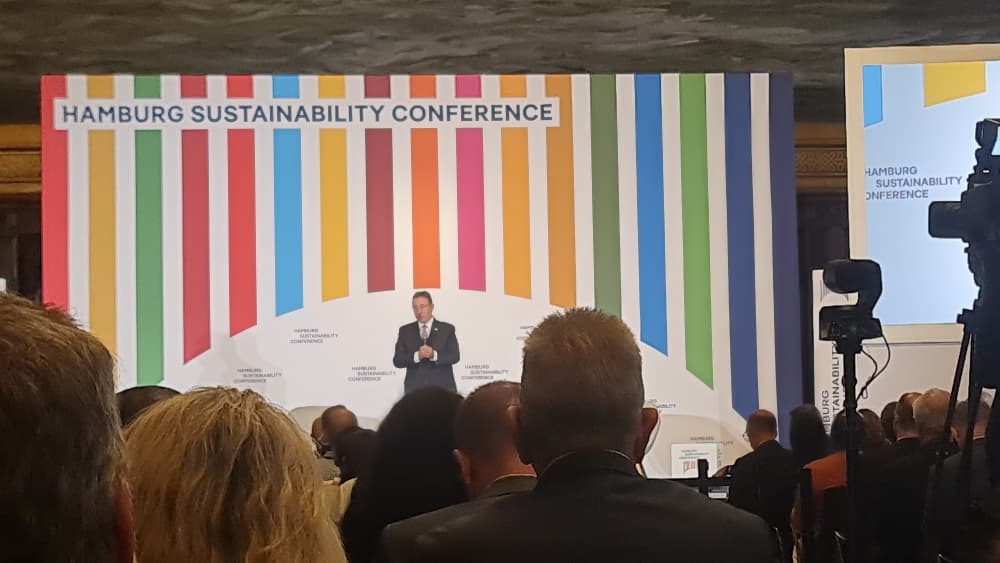
At the Hamburg Sustainability Conference 2026, one message cut through every keynote, panel, and bilateral meeting: the world is no longer short of ideas — it is short of delivery mechanisms.
We already know the challenges. Climate change. Youth unemployment. Digital exclusion. Food insecurity. A widening development finance gap. What we lack is not diagnosis, but institutions capable of turning commitment into delivery at scale.
I left Hamburg convinced of one thing: innovation hubs are the missing institution in the global sustainability architecture, and Ghana is uniquely positioned to prove it.
Beyond Startup Support
For too long, innovation hubs have been boxed into a narrow role. Hubs are spaces where entrepreneurs receive mentorship, access technology, and build startups. That definition is now obsolete.
Across Ghana, innovation hubs have evolved into community institutions, connecting entrepreneurs, government, universities, investors, development partners, and local communities. They are creating jobs. Strengthening MSMEs. Driving digital transformation. Enabling climate innovation. Shaping public policy.
They are no longer simply supporting innovation. They are delivering sustainable development.
A Framework Built on Six Pillars
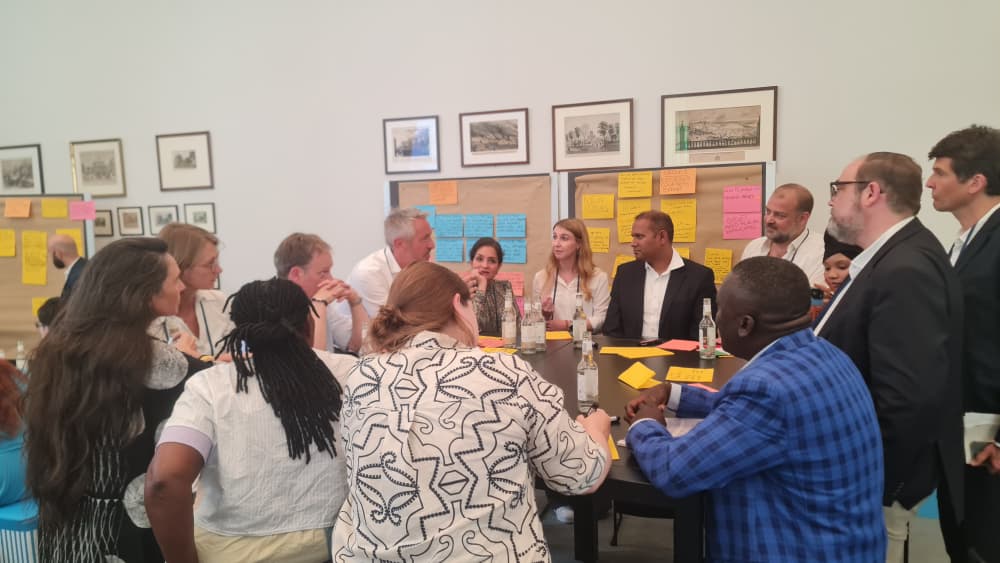
The conversations in Hamburg reinforced the need to reposition innovation hubs as infrastructure for achieving the Sustainable Development Goals. Not just peripheral actors, but central delivery institutions. This framework rests on six interconnected pillars:
1. Economic Sustainability
Hubs build resilient local economies — strengthening MSMEs, generating decent jobs, and creating ecosystems capable of continuous innovation, not isolated success stories.
2. Social Sustainability
Traditional top-down development creates passive beneficiaries. The ecosystem model creates active, local co-creators. Through design thinking and asset-based community development, hubs put communities at the centre of the solutions meant for them.
3. Environmental Sustainability
Innovation ecosystems are becoming testing grounds for climate solutions. These include; renewable energy, circular economy models, climate-smart agriculture, and green manufacturing — proving what can be adopted and scaled.
4. Digital Sustainability
Digital transformation must be inclusive, not extractive. Our partnership with Qualcomm and Adams & Adams through the Learn2Protect Africa initiative shows that protecting intellectual property and strengthening digital trust matter as much as expanding access.
5. Institutional Sustainability
Strong ecosystems require strong institutions. The Ghana Hubs Network’s contribution to the Ghana Innovation and Startup Bill, shaped through nationwide consultations under the “25 Days of WOW” policy hackathons, shows how ecosystems can move from advocacy to genuine policy co-creation. Innovation policy should be written by the practitioners and entrepreneurs who live it, not designed in isolation from them.
6. Partnership Sustainability
No single institution can deliver sustainable development alone. Hamburg proved the value of coalitions between governments, development finance institutions, the private sector, philanthropy, and civil society. Innovation hubs are uniquely positioned to convene these actors around shared, local priorities.
What Hamburg Taught Us
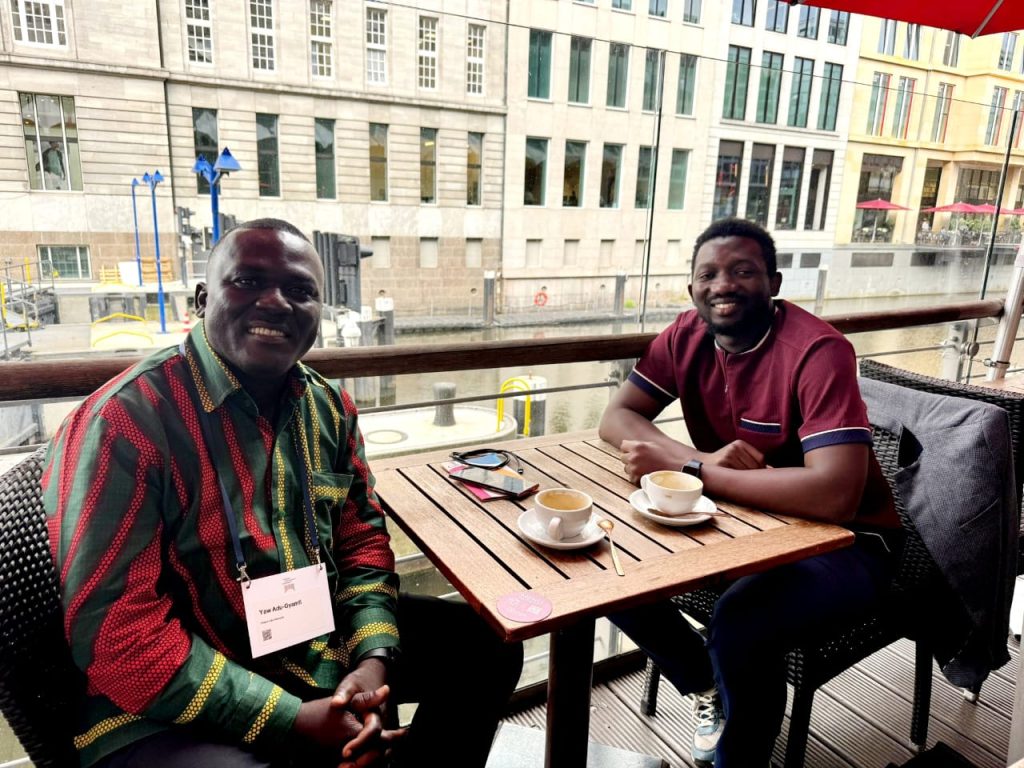
Several truths from HSC 2026 will stay with me. The global development finance gap — now estimated at US$4 trillion annually, demands more innovative approaches to mobilising capital. The call to reform global financing architecture is really a call to lower the cost of capital for Africa and rebuild investor confidence. The launch of SCALED signalled growing recognition that sustainable investment requires trust, collaboration, and blended finance.
But the most important message was simple: sustainability must stop being a policy conversation and start showing up in people’s daily lives.
Innovation hubs are built to close exactly that gap.
Ghana’s Opportunity
Ghana already has one of Africa’s most organised innovation ecosystems. Through the Ghana Hubs Network, more than 100 innovation hubs are creating opportunities in every region of the country.
Our work within the Digital Transformation Centre Ghana, our contribution to Ghana Digital and Innovation Week, our continued engagement with government on innovation policy, and our growing international partnerships all point to the same conclusion: ecosystems can be trusted national platforms for development, not just donor projects with a shelf life.
The next step is deliberate: recognise innovation hubs as strategic national infrastructure, on par with roads, power, and telecommunications.
From Conversation to Commitment
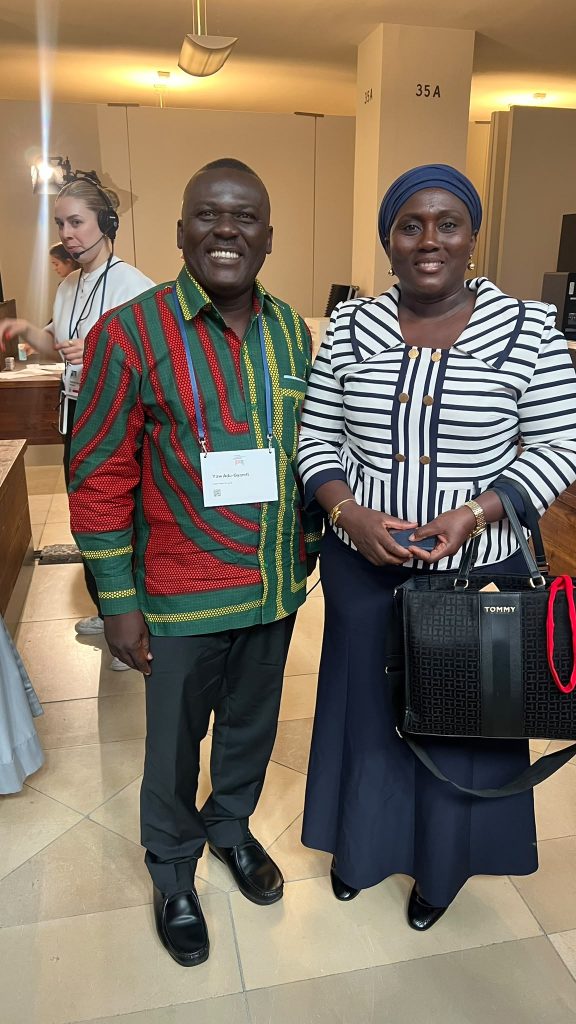
Hamburg cannot remain a conference memory. It must become a national commitment. As Chairperson of the Ghana Hubs Network, I am calling on our members, government partners, private sector allies, academic institutions, and development partners to act on five commitments:
1. Institutional Recognition — Formally integrate innovation hubs into Ghana’s national sustainable development agenda.
2. Blended Capital Mobilisation— Build partnerships engineered to channel long-term investment into local innovation ecosystems.
3. Decentralised Execution — Position hubs as the local delivery infrastructure for climate action, digital transformation, and youth employment programmes.
4. Global Knowledge Corridors— Strengthen sister-city and international ecosystem partnerships that drive technology transfer and investment.
5. Impact Metrics— Develop measurable, standardised indicators that prove hub contributions to national development and the SDGs — not anecdotes, evidence.
A Call to Every Stakeholder
To innovation hub members— this is your validation. What you have built in classrooms, co-working spaces, and community centres across Ghana is not peripheral to national development. It is the infrastructure of it. Bring your data, your stories, and your outcomes forward so we can build the evidence base together.
To the private sector— the next generation of investable enterprises is already inside these hubs. Partner with us before the opportunity is priced elsewhere.
To development partners — the delivery mechanism you have been searching for already exists on the ground. Fund the infrastructure, not just the individual projects that pass through it.
To academia— help us build the research and measurement systems that prove what practitioners already know. Rigour will make this framework harder to ignore.
To government and policymakers— the Ghana Innovation and Startup Bill was written with practitioner input for a reason. Innovation policy shaped by lived ecosystem experience outperforms innovation policy designed in isolation from it.
Looking Ahead
Sustainability is ultimately about investing in people, institutions, and ideas built to endure. Innovation hubs combine all three.
If governments are the architects of policy and the private sector is the engine of investment, then innovation hubs are the connectors that turn ambition into implementation.
The future of sustainable development will not be built only in conference halls. It will be built in innovation hubs, where entrepreneurs, communities, and institutions come together to solve society’s most pressing challenges.
That is the Innovation Hubs Sustainability Framework.
Ghana has the opportunity to lead this conversation, not only in Africa, but globally. The question now is who joins us in building it.
Yaw Adu-Gyamfi is Chairperson of the Ghana Hubs Network (GHN), Ghana’s national coordinating body for over 100 innovation hubs, incubators, accelerators, and co-working spaces.
