


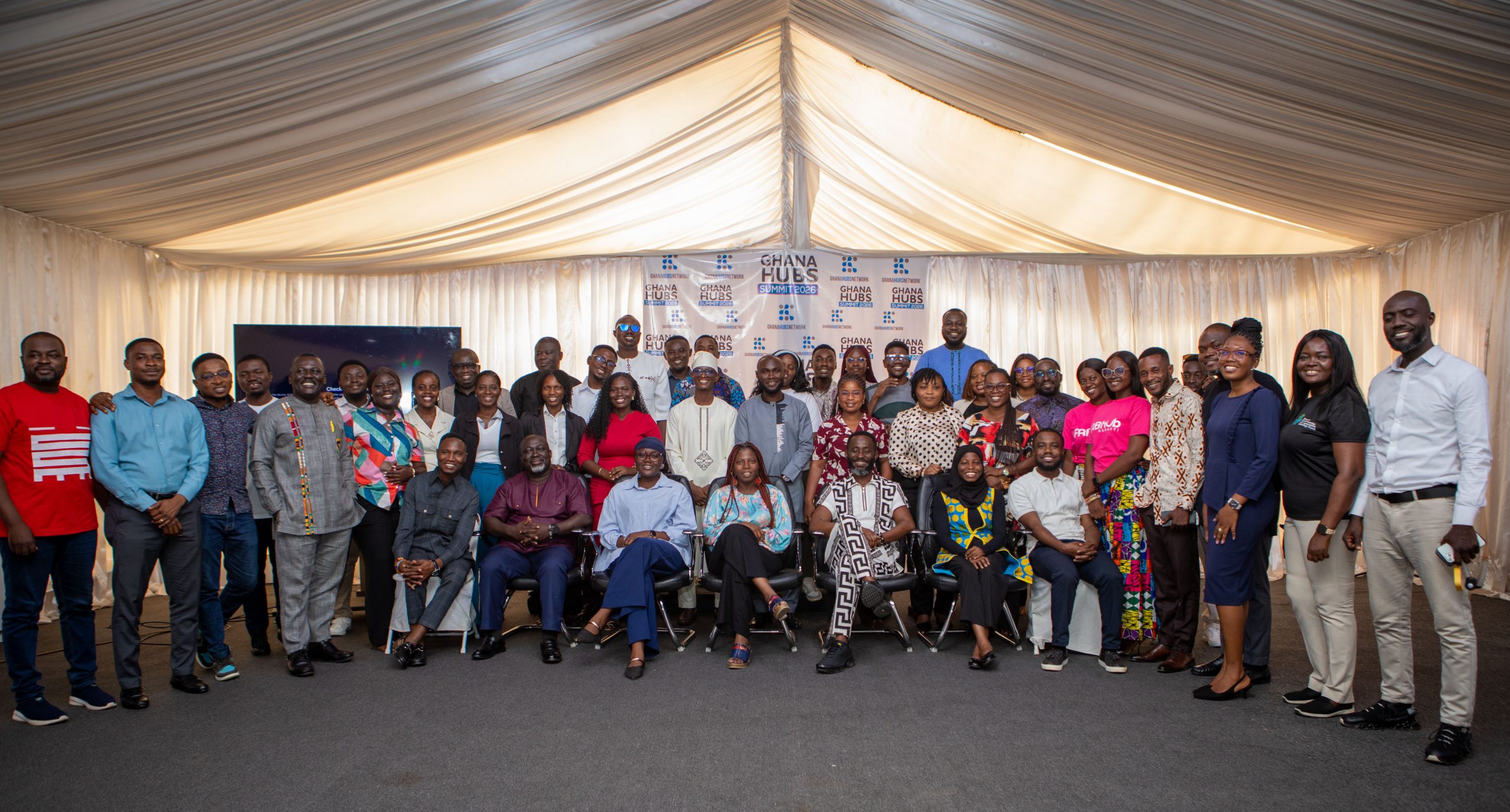
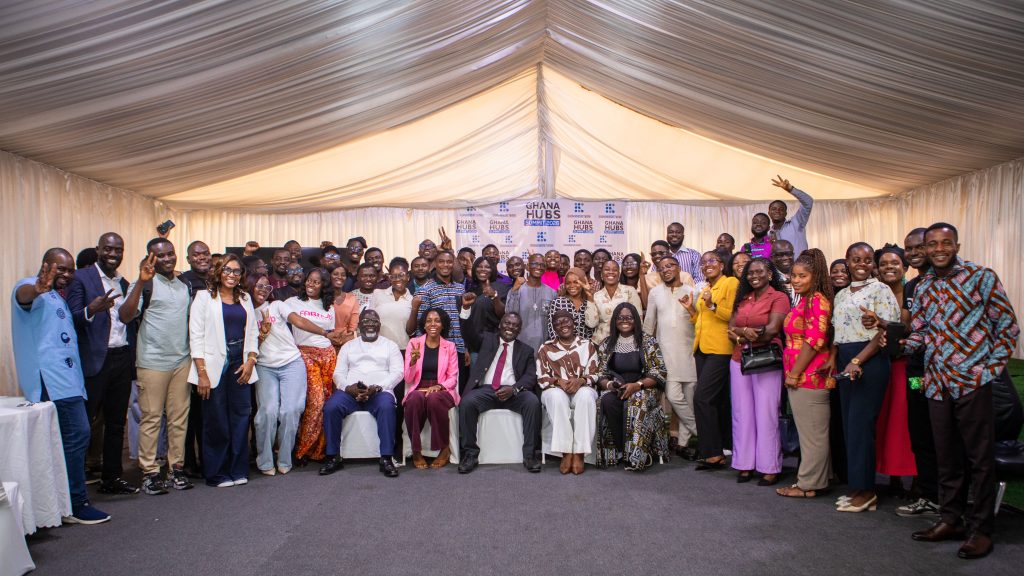
Kumasi, Ghana — The Ghana Hubs Network (GHN), in partnership with HapaSpace Innovation Hub and Future Link Services, has hosted the Ghana Hubs Summit 2026, convening key actors from Ghana’s innovation, entrepreneurship and employment ecosystem.
Held in Kumasi from 21 to 22 July 2026 under the theme “Inclusive Innovation for Employability: Hubs and Ghana’s Future of Work”, the two-day summit brought together innovation hubs, entrepreneurs, policymakers, development partners, academic institutions, investors and ecosystem leaders to explore how innovation can create more inclusive pathways to employment, enterprise development and sustainable economic growth.
Ahead of the summit, more than 90 unique registrations were recorded, with interest from 15 of Ghana’s 16 regions and from participants outside the country, a reflection of the growing national relevance of innovation hubs and the need for stronger coordination across Ghana’s entrepreneurship and skills-development ecosystem.
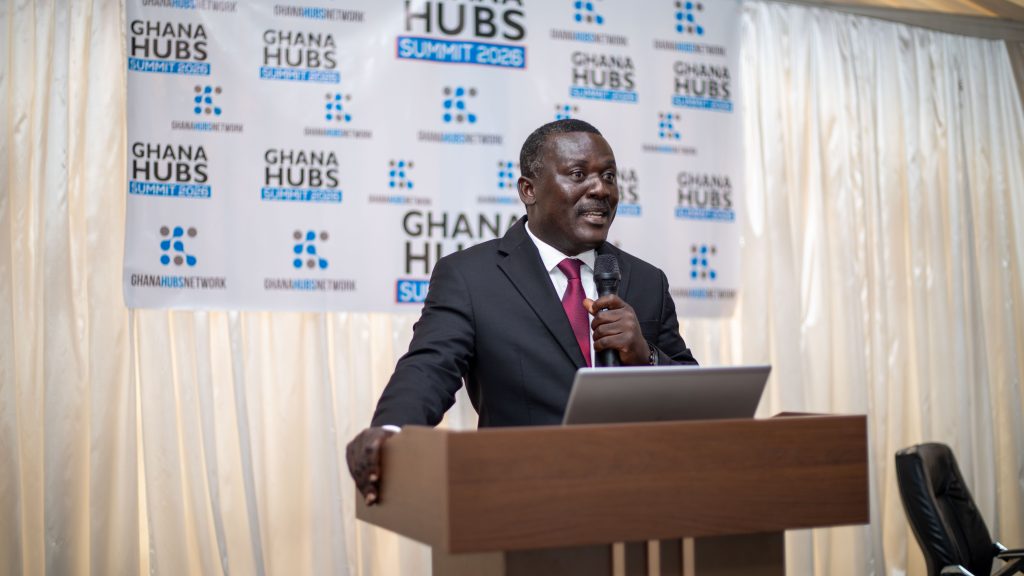
Opening the summit, the Chairperson of the Ghana Hubs Network, Mr Yaw Adu-Gyamfi, challenged participants to “think global and act local”, emphasising that sustainable national development must begin with solutions that respond to the needs and realities of local communities. He called for stronger collaboration among innovation hubs and deeper partnerships with government, the private sector, academia and development organisations and reaffirmed the role of hubs in connecting young people and entrepreneurs to practical skills, technology, mentorship, markets, networks and employment opportunities.
The summit received contributions from representatives from the Ghana Technical and Vocational Education and Training (TVET) Service, the National Entrepreneurship and Innovation Programme (NEIP), represented by Mr Vincent Ohene-Ntow, Director for Business Support. The National Youth Authority (NYA) was represented by George Orwell Amponsah, Regional Director, while the TVET Service was represented by Mr Gabriel Osei, Regional Director for Research, Innovation, Monitoring and Evaluation.
Their contributions highlighted the importance of strengthening the connections between education, technical and vocational training, innovation, entrepreneurship and employment and underscored the need to move young people beyond training by linking them to enterprise support, financing, markets and sustainable livelihoods.
GIZ was represented by Stephanie Boanyah-Mensah and Benson Adyei, technical advisors under its Digital Transformation for Inclusive Entrepreneurship in Ghana (DTEG) programme, reflecting the continued role of development partners in strengthening innovation institutions and entrepreneurship-support systems in Ghana. Highlighting the International Trade Centre (ITC) and GHN partnership, Isaac Newton Acquah recounted support for 50+ hubs across the country, positioning them to be effective development partner collaborators and sustainable hub business models. Ammishadai Ofori shared insights on the European Union-funded project under the Global Gateway initiative, with support from the Ministries of Foreign Affairs of France and the Netherlands and implemented by Expertise France, RVO, and the United Nations Capital Development Fund (UNCDF), supporting green digital, pharmaceutical, and creative and cultural initiatives (CCI), expressing opportunities to work with innovation hubs.
Exploring Green Jobs and Sustainable Enterprise
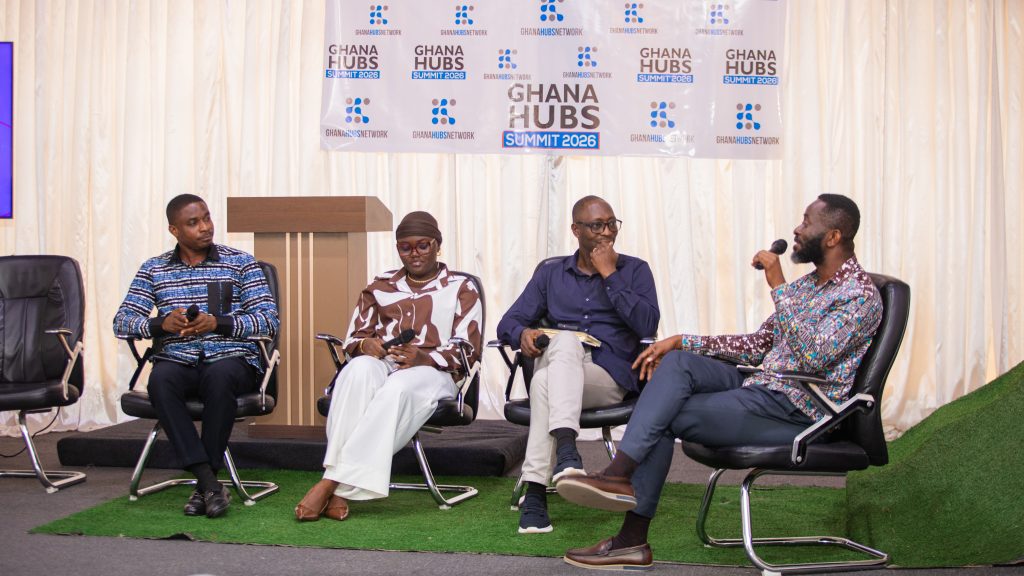
A major feature of the first day was a panel discussion on Green Jobs and Sustainable Enterprises, moderated by Gideon Brefo, CEO of Kumasi-based HapaSpace Innovation Hub. Panellists included Florence Toffa (Director at Mobile Web Ghana), Samuel Aboagye (CEO of Whizzy Innovation Hub), Fianu David Dzotsi (General Manager at Wislaw Education Support Fund) and Janat Issifu (CEO of WanHive Hub). The panellists examined how Ghana’s transition towards a more sustainable economy can create new opportunities for young people and entrepreneurs, exploring how innovation hubs, strategic partnerships and youth-focused initiatives can develop sustainable enterprises, strengthen green skills and support employment creation across sectors and communities.
Beyond the plenary and panel sessions, participants engaged in networking, knowledge exchange, exhibitions and partnership discussions, creating opportunities for hubs, entrepreneurs, institutions and development partners to identify areas for collaboration and practical responses to shared ecosystem challenges.
Member Hubs Shape the Network’s Next Chapter
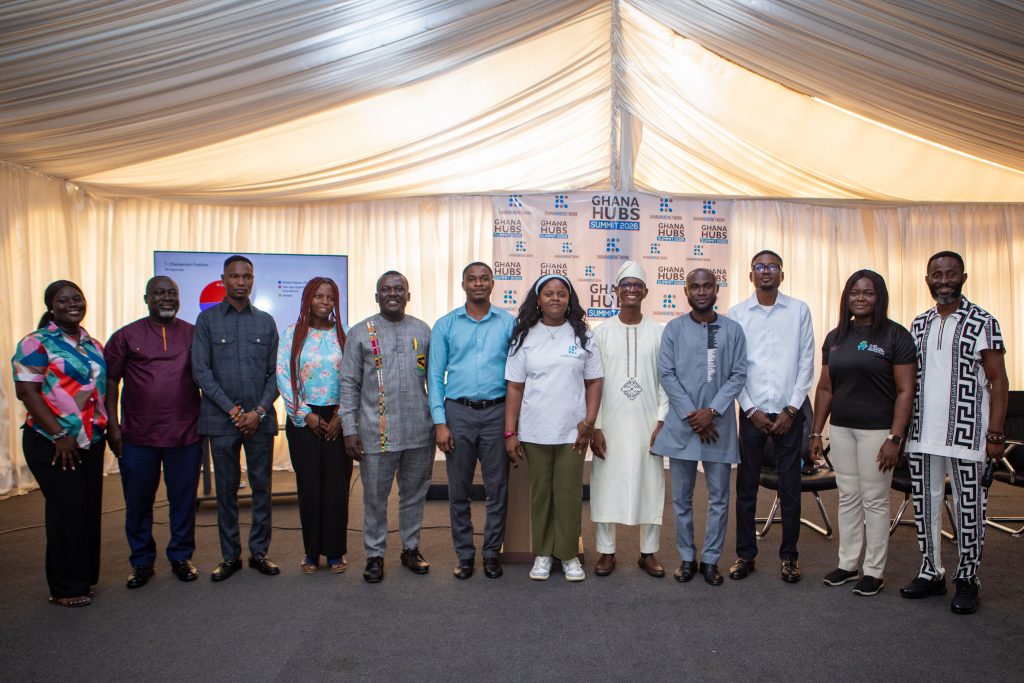
The second day was dedicated to the Ghana Hubs Network’s Annual General Meeting, allowing member hubs to assess the network’s progress and shape its future direction. Members shared their experiences, operational challenges, recommendations and aspirations, highlighting the importance of stronger internal communication, transparent governance, meaningful member participation and equitable visibility for hubs across Ghana. Members also received a presentation from Emmanuel Nomafo on the organisational-development support being provided through GIZ, which outlined progress in strengthening the network’s governance, institutional systems, strategic communications, and increased member support servcies.
The AGM concluded with the election of new board members to guide the Network through its next phase of institutional development, member engagement and national impact. The newly elected board is chaired by Mr Yaw Adu-Gyamfi (Co-founder and Executive Director at the Centre for Social Innovations). Others include Isaac Agbetey Akutey (Director of Communications), Fianu David Dzotsi (Director of Finance), Seth Panyin Boamah (Director of Research and Policy) and Abena Engmann (Director of Gender Inclusion).
From Dialogue to Coordinated Action
The Ghana Hubs Summit 2026 reaffirmed the Network’s commitment to positioning innovation hubs as critical community-level infrastructure for entrepreneurship, skills development, job creation and inclusive economic growth. Building on the summit, GHN will strengthen collaboration among member hubs, improve internal communication, create more structured opportunities for members, and prioritise evidence-led communication that demonstrates how hubs contribute to startup development, employment creation, digital skills building, sustainable enterprise and local economic development.
As Ghana responds to technological change, youth unemployment and the evolving demands of the labour market, innovation hubs will remain essential in translating national ambitions into practical community-level opportunities. The summit closed with a renewed commitment to advance inclusive innovation, empower local ecosystems and help build a resilient, future-ready workforce for Ghana.
About the Ghana Hubs Network
The Ghana Hubs Network (GHN) is the national network of 100+ innovation hubs, incubators, accelerators and ecosystem-support organisations working across Ghana. It exists to strengthen collaboration among hubs and to connect young people, entrepreneurs and small businesses to the skills, technology, mentorship, markets, networks and finance they need to build sustainable enterprises and create jobs. Through advocacy, capacity building, knowledge sharing and partnerships with government, the private sector, academia and development partners, GHN works to position innovation hubs as community-level infrastructure for entrepreneurship, skills development and inclusive economic growth across all of Ghana’s regions.
Media Contact
Isaac Agbetey Akutey
Director of Communications, Ghana Hubs Network (GHN)
www.ghanahubsnetwork.com
communications@ghanahubsnetwork.com +233 53 099 0876
